Transformers, pressure vessels, aircraft, gantry rigs. When the lift specs demand precision, we pick the right machine, plan the lift, and walk it through to completion.
Most crane hire jobs are scoped and done in a day. Heavy lifts aren't. They start with a route survey, a lift plan, a load chart and a conversation about ground bearing pressure — and they end with a piece of infrastructure landing exactly where it needs to be, the first time.
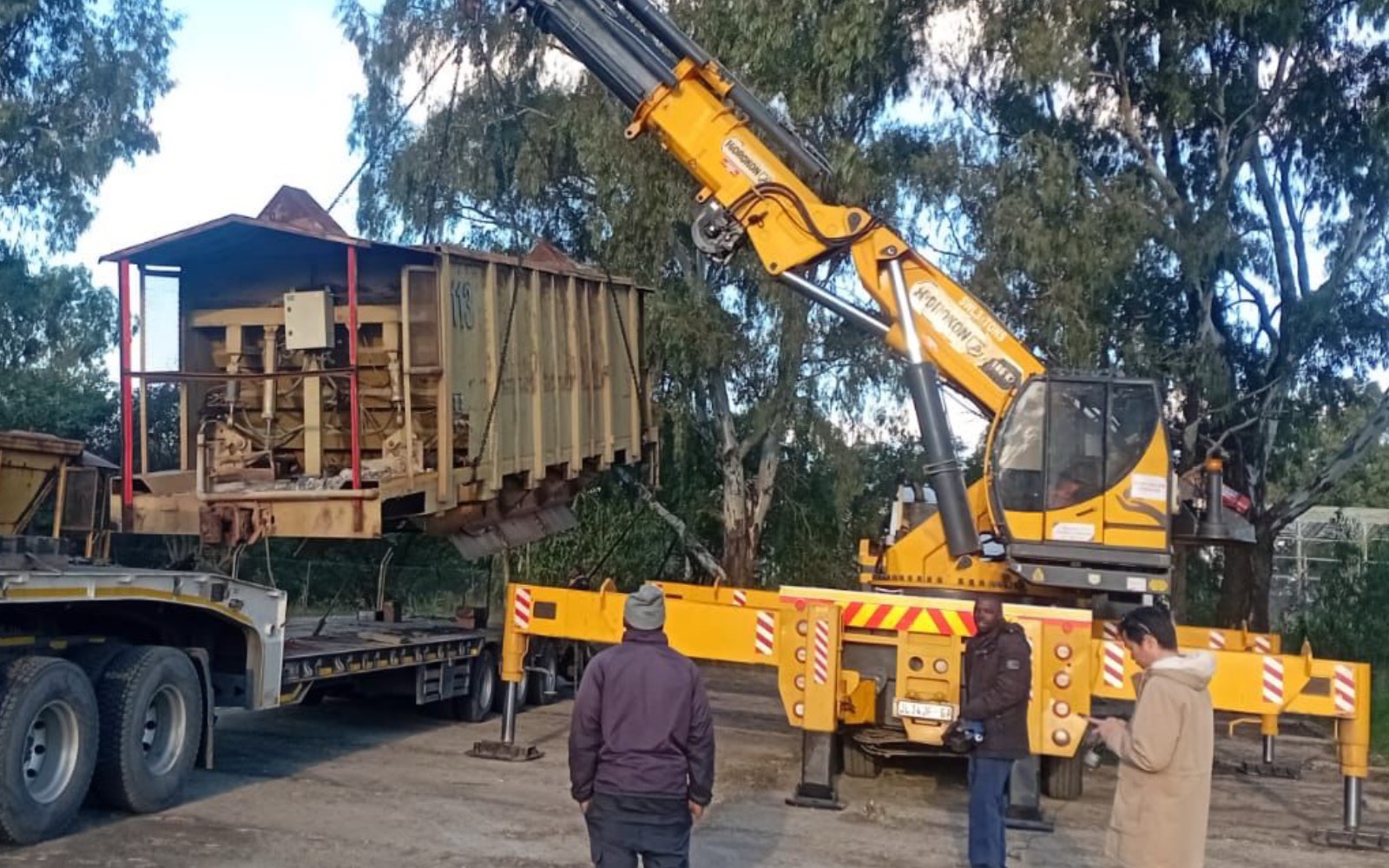
Heavy lifting at CMK covers the work that needs more than a mobile crane and a hook. Transformers in the 150–300 ton range. Pressure vessels and heat exchangers threaded into tight refinery footprints. Aircraft heritage moves and decommissioning lifts. Generators, gantries and jack-and-slide work where the equipment is too heavy or too awkward for conventional rigging. After 16 years and over 2500 customer engagements, this is the work we get called for when something has to land precisely and nothing can go wrong.
A heavy lift is rarely about one crane. It's about choreography — what arrives on site first, how the ground is prepped, where the load is staged, which machine takes the dead lift and which handles the tail. For transformer placements we routinely run tandem lifts: two mobile cranes synchronised on a single load, both with calibrated load cells and a lift supervisor watching deflection in real time. For pressure vessels we'll often switch to a tandem hydraulic gantry — four-leg systems with synchronous lift control that can place a load to the millimetre when a mobile crane can't fit the access envelope.
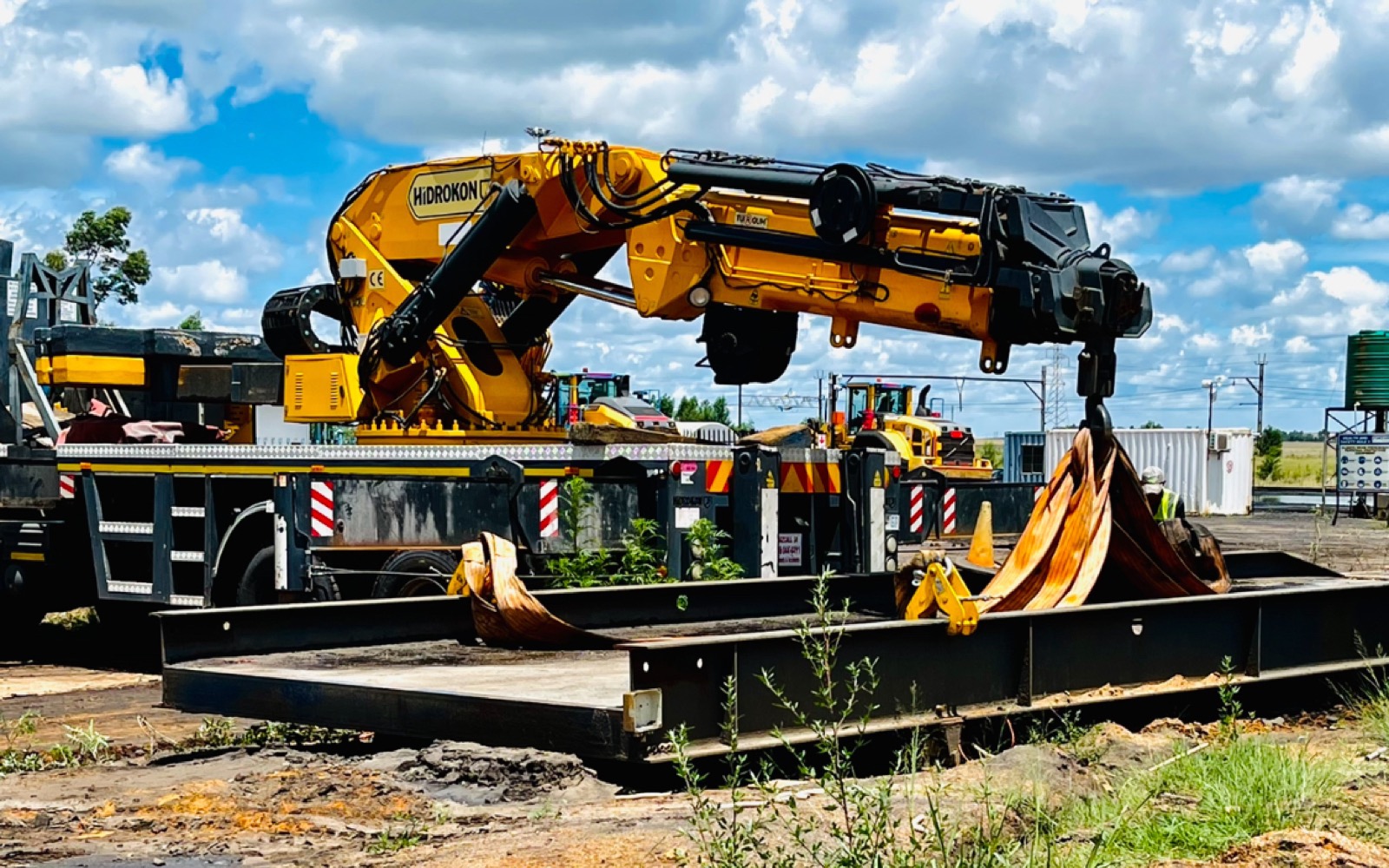
The rigging side matters as much as the crane. Red-ticket riggers on every heavy job — qualified, supervised, equipped with calibrated slings, beams and spreader bars rated for the load. The lift plan is signed off before mobilisation, not improvised on site. Method statements, traffic management plans, wind-speed protocols — all part of the quote.
150–275 ton substation transformers placed onto plinths inside live yards. Network outages cost six figures an hour, so these jobs are choreographed against tight scheduling windows. Eskom and the IPPs work this way; the discipline is non-negotiable.
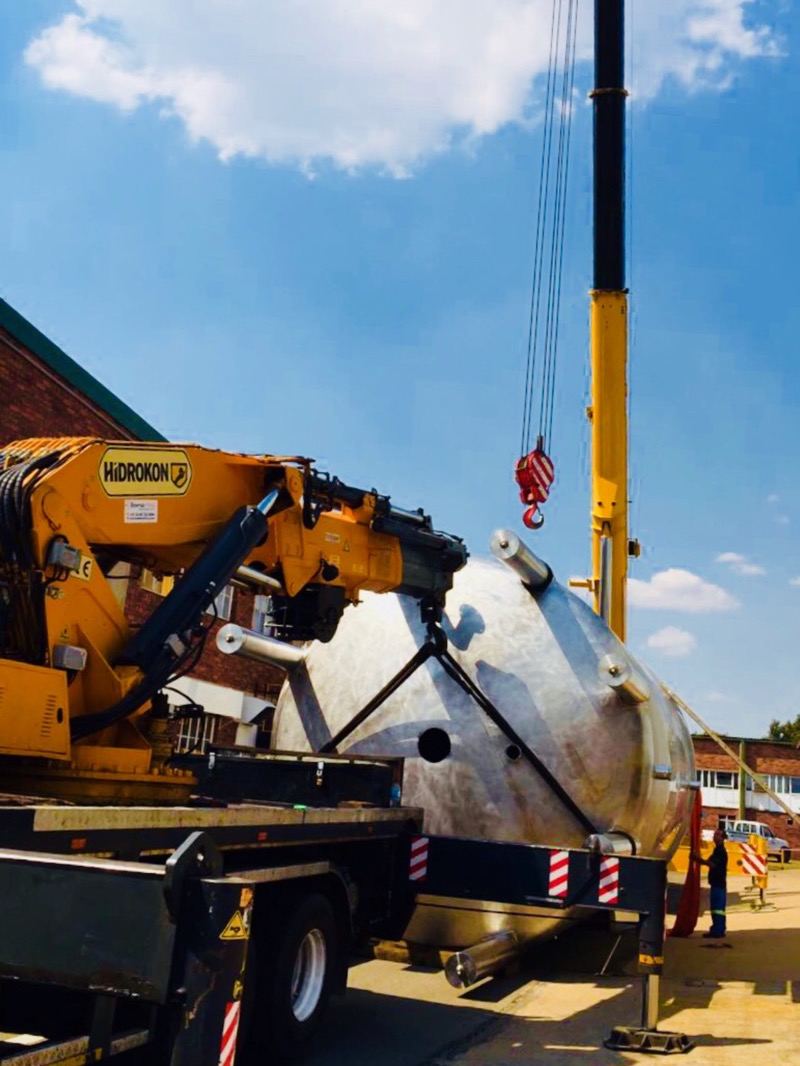
Refineries, mining processing plants, breweries, gas terminals. Horizontal vessels into pre-fabricated saddles. Vertical columns tail-rigged and walked into position. We've placed columns at 200t-plus using tandem mobile cranes, and used 400-ton gantry rigs for low-headroom situations where a mobile boom simply wasn't an option.
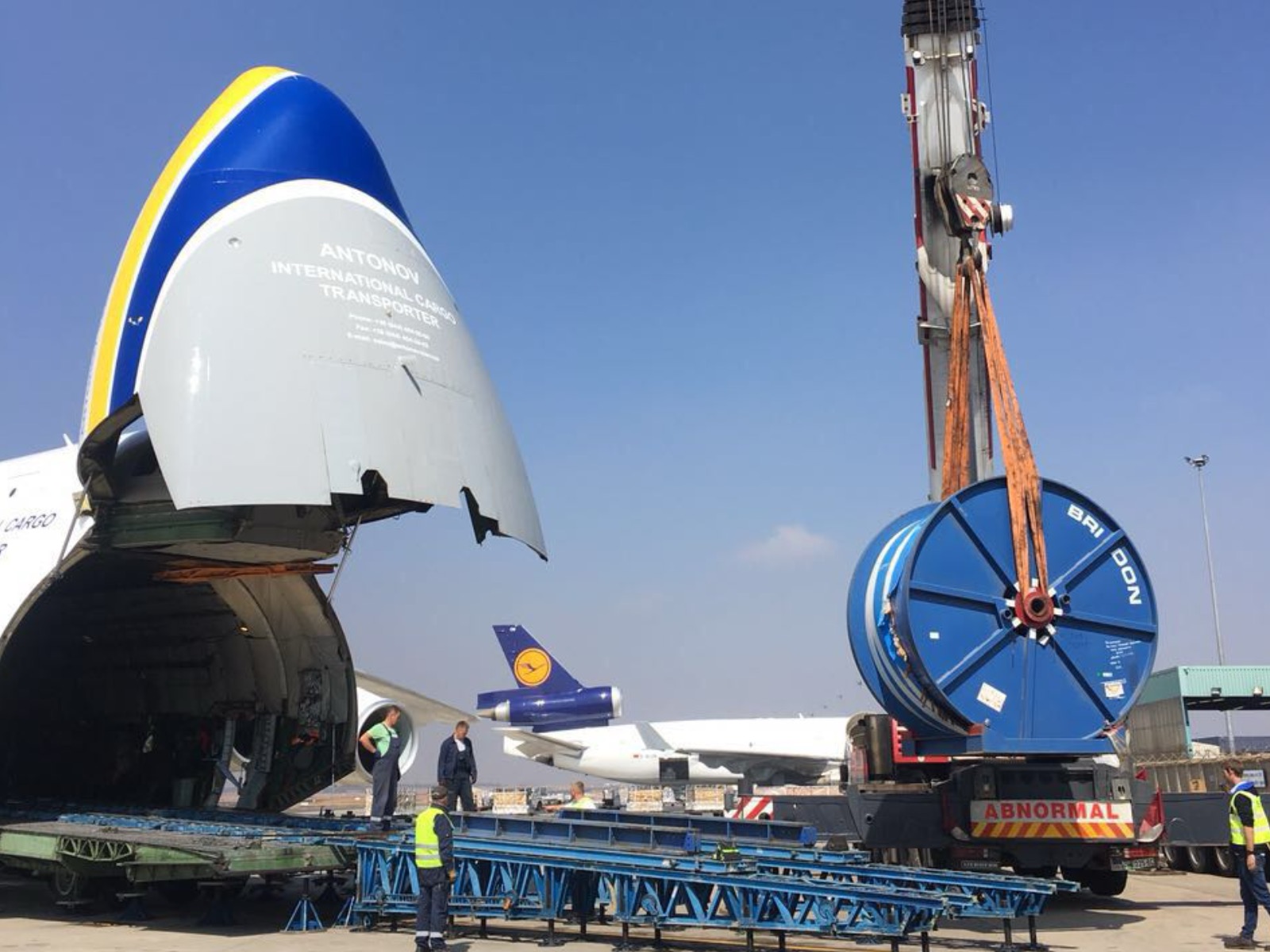
Heritage aircraft relocations. Decommissioned fighters loaded onto low-bed transport. Satellite dishes installed at telecoms ground stations. Cargo unloaded from Antonov heavy-lift freighters at OR Tambo. The common thread is dimensional weirdness — loads that weren't designed to be lifted, or have CG points that drift when they're cradled.
Tell us the weight, radius and date. Estimate in under a minute.