Substation transformers. Pressure vessels. Heavy industrial. Multi-day choreographed lifts with route surveys, ground bearing analysis, lift plans signed off before mobilisation.
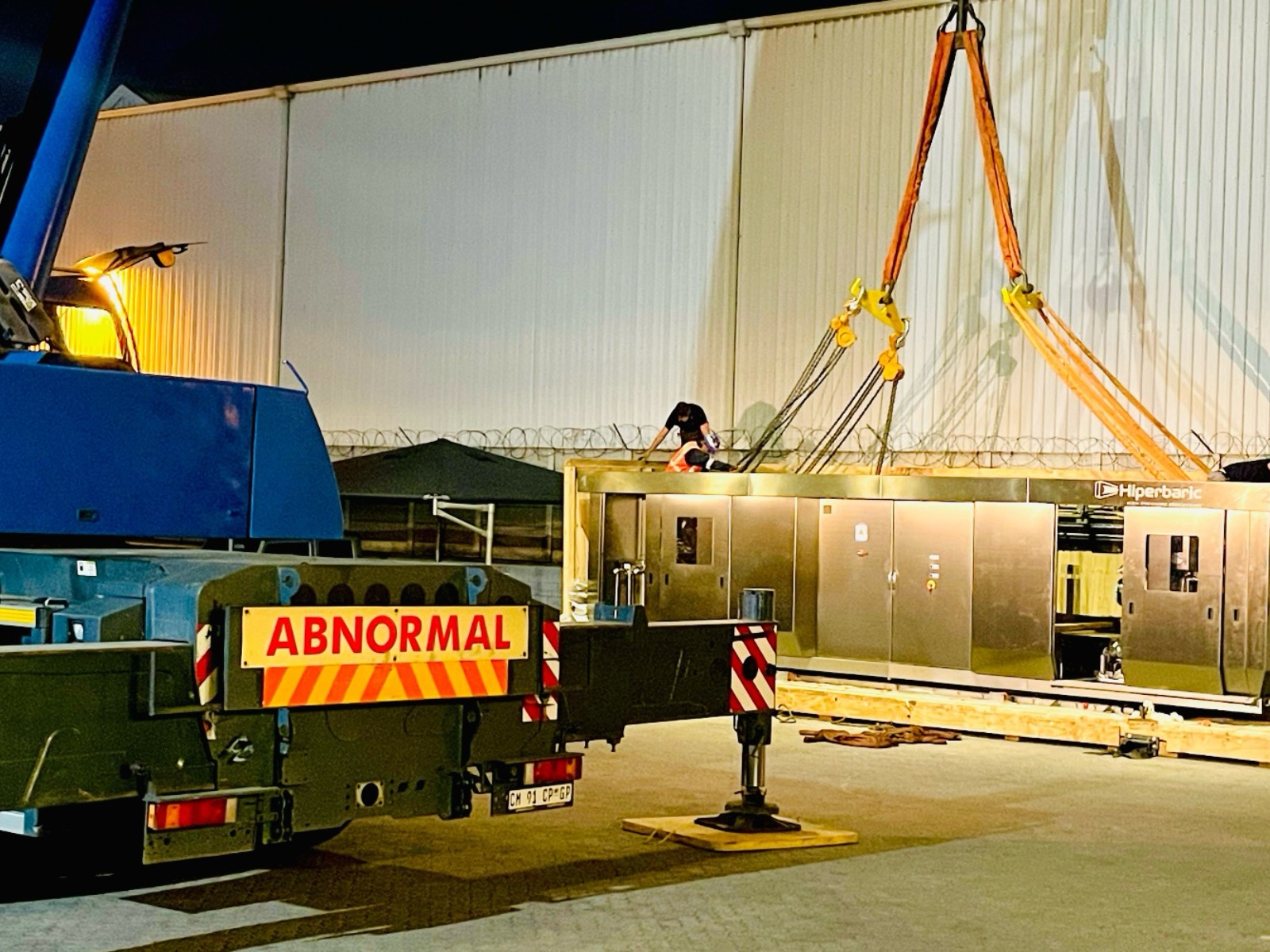
Large-band crane hire is the work that needs more than a fast quote and a yard despatch. A 220-ton substation transformer placement starts with a route survey, requires a calibrated lift plan, often runs as a tandem lift with a second mobile crane on standby, and lands a piece of infrastructure that has six-figure-an-hour downtime implications if anything goes wrong. After 16 years of doing this work, that discipline is non-negotiable.
The large band runs from 160-ton through 300-ton machines. Above 120 ton, crane mobilisation changes character — counterweight transports on separate lowbeds, outrigger mat extensions for ground bearing, longer pre-planning windows for road permits. These are not show-up-and-figure-it-out jobs.
The substation workhorse band. 160-ton machines handle the bulk of distribution-class transformer placements (load weights in the 30–80 ton range at extended radii). 200 and 220 ton machines step in for transmission-class transformers, pressure vessels and the harder reaches. Most Eskom and IPP work lands here.
Top-end mobile capacity. Transmission transformers in the 90–150 ton class, heat exchangers, vertical column placements, refinery shutdown work. These mobilise as multi-piece transports — main crane on one low-bed, boom extensions on another, counterweight on a third. Setup runs into a full day before the lift itself starts. Worth planning around.
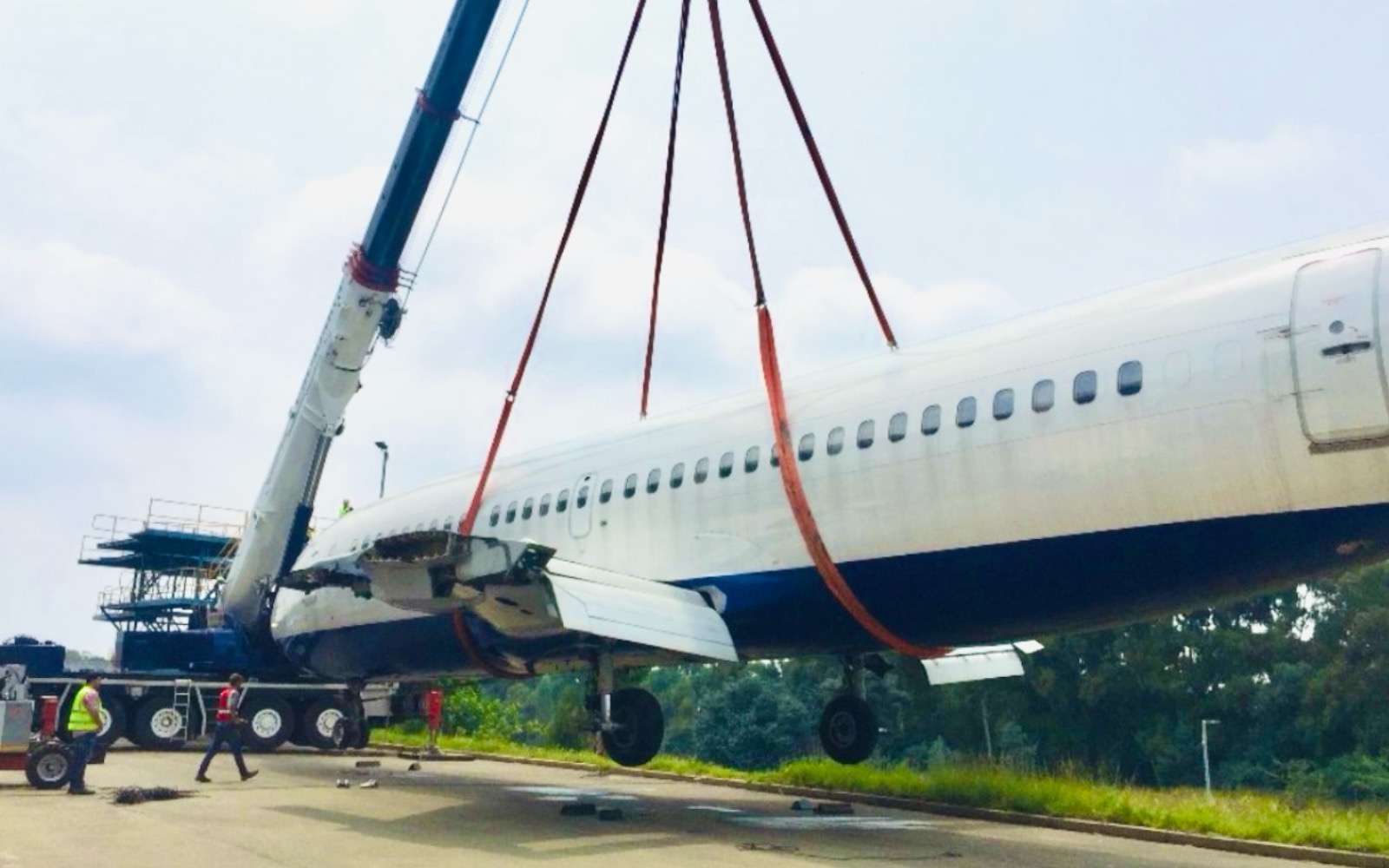
Large lifts get planned, not improvised. The standard process for a 200t-plus job:
Tell us the weight, radius and date. We'll come back with the right scope.